Building a full-funnel growth engine for a SaaS startup
Growth Marketing
An early-stage SaaS startup needed to turn marketing into a real growth engine. I owned it end to end: strategy, creatives, paid ads, website optimization, and app-install campaigns, building a funnel that drove down acquisition costs while scaling both signups and installs.
See the results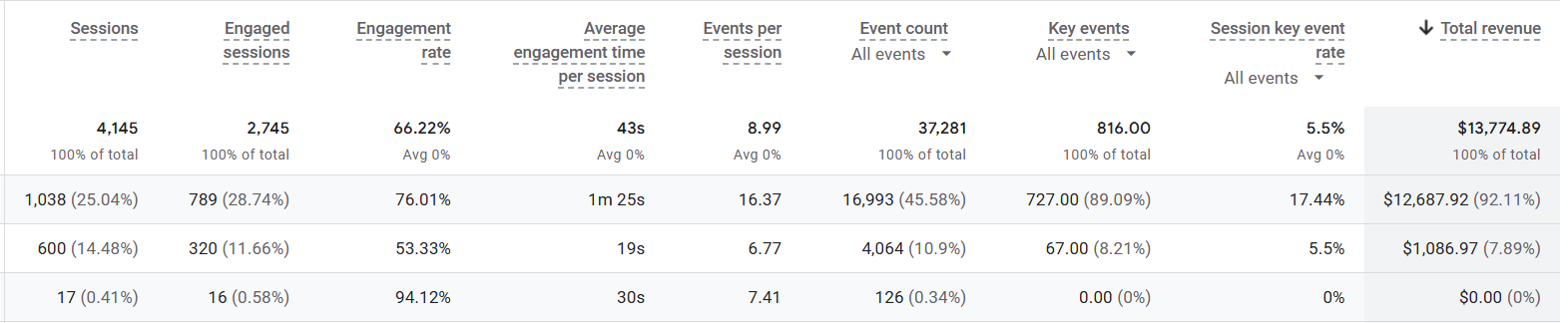
Overview
The product was strong but the startup had no real marketing engine. Spend was scattered, creatives were inconsistent, the website leaked signups, and the mobile app barely got installs. There was no clear plan tying activity to growth.
As the freelance digital marketing specialist, I took ownership end to end: building the strategy, producing the creatives, planning and running the paid ads, optimizing the website for conversion, and running app-install campaigns, all tied to acquisition cost and growth numbers the founders could trust.
Objectives
- Lift website conversion so more visitors turned into signups.
- Reduce blended CPC and cost per acquisition across paid channels.
- Grow mobile app installs efficiently through dedicated campaigns.
- Build a repeatable, measurable growth engine the startup could scale.
Audience
The buyer was an early-adopter operator at a small, fast-moving team: practical, time-poor, comparing tools through search and peers, and just as likely to evaluate the product on mobile as on desktop.
That shaped everything: clear, proof-led creatives over hype, paid targeting built around intent signals and lookalikes of active users, and a frictionless path to both web signup and app install.
Strategy
I built a full-funnel growth plan: scroll-stopping creatives and paid ads across Google, Meta, and the app stores to drive intent, a conversion-optimized website to turn clicks into signups, and dedicated app-install campaigns to grow the mobile base. Spend was concentrated on high-intent segments instead of broad awareness.
Every campaign shipped with a hypothesis and was reviewed weekly, so budget shifted toward the creatives, channels, and audiences that converted and away from what didn't.
What I Ran
- Ad creatives and copy built and iterated for Google, Meta, and app-store campaigns.
- Paid search and paid social concentrated on high-intent audiences.
- Website optimization: faster pages, clearer CTAs, higher signup conversion.
- Dedicated app-install campaigns to grow the mobile user base efficiently.
Execution Timeline
KPIs Tracked
Platforms & Tools
 Meta Ads
 Google Analytics 4
 App Stores
 Klaviyo